
Not All Roadway Cameras Are the Same
Roadway cameras are a hot topic in today’s news. But not all cameras are the same.
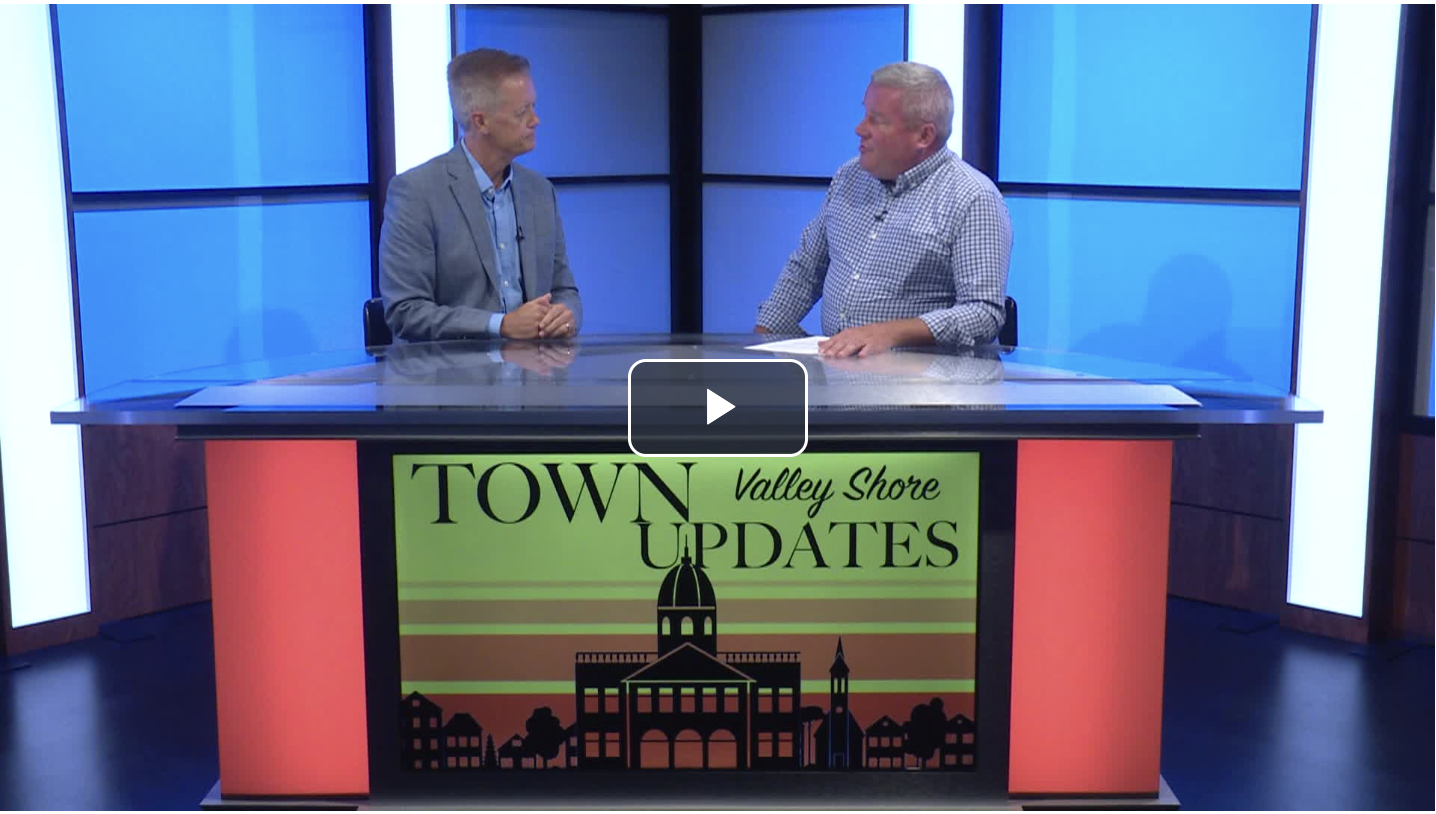
In this 8-minute interview, Altumint Chief Relationship Officer Jason Norton explains the important differences between automated license plate reader (ALPR) cameras — sometimes known as Flock, Axon, or Rekor cameras — and automated traffic safety cameras used to enforce traffic laws.
Different Purposes
ALPR Cameras: Capture the license plate and vehicle information of every vehicle passing the camera.
Traffic Safety Cameras: Enforce traffic safety laws by only identifying vehicles exceeding established speed thresholds or running red lights.
Different Technology
ALPR Cameras: Capture vehicle information regardless of whether a traffic violation has occurred.
Traffic Safety Cameras: Use radar to detect speed and activate only when a vehicle exceeds the enforcement threshold or runs a red light. In Connecticut, Altumint sets that threshold at 11 mph over the posted speed limit.
Different Rules
ALPR Cameras: Right now, less than half the states in the U.S. have legislation regarding ALPR cameras.
Traffic Safety Cameras: Automated traffic enforcement has been regulated for decades, with extensive requirements governing when and where cameras can operate, enforcement thresholds, signage, data privacy and program oversight. Altumint will ONLY operate in a state that has state-enabled legislation.
______________________________________________________________________________________
TRANSCRIPT
Brendan: I’d like to introduce Jason here. Jason’s, Jason’s from Altumint. He’s our ven- Greetings, Durham residents. Thanks for joining us today. I’m excited to introduce Jason here. Jason’s from Altumint. He’s our vendor for the speed camera devices that will soon be implemented in, in town. I wanna, acknowledge some concerns that have been circulating during– regarding the use of LPRs or license plate recognition cameras, also known as FLOCK cameras. There seems to be a lot of discussion surrounding these things, and so I just kinda wanted to bring Jason in to just discuss some of the issues. And, so Jason, what’s the difference between Altumint’s speed cameras and FLOCK cameras if you could just tell us in a nutshell?
Jason: Absolutely. Great question and, and thank you for having us. These issues get conflated a lot of times. So I think the difference between the two cameras and the two purposes are different purposes, different technology, and different rules. So different purpose, right? The, the ALPR cameras are used to just identify any vehicle that goes by their cameras. Speed cameras are used to just enforce traffic laws, right? In, in case here it’s for speeding, you know, over ten miles an hour in a school zone. Different technologies. Again, a FLOCK or an ALPR camera just uses technology to identify vehicles or license plates or make and model, color of the vehicles. And that’s every single license plate. Every single car that goes by, regardless of what it’s doing. It could be crawling at a, slow speed. It doesn’t have to be anything. It’s every vehicle that goes by. Traffic enforcement cameras use radar detection to see if the car is going too fast, and this could be a red light camera or speeding. If they’re going too fast, the camera wakes up and takes a, a picture of that vehicle. Different rules. This is the crux of what the discussion is now. So ALPR technology and the legislation is where photo enforcement was twenty years ago. Okay. So when I started in this business over twenty years ago, the big states, Texas, Florida, Missouri, that had a lot of photo enforcement programs, had no enabling legislation, no statewide enabling legislation. Fast-forward to today for photo enforcement, Connecticut being the most recent state to have legislation and launched programs, it is the most restrictive law in the country.
Brendan: Connecticut you say?
Jason: Connecticut. So what does that mean? In Connecticut, you have a requirement for equitable distribution of your cameras. You can’t have a red light camera at every intersection. You can’t have a speed camera at every location. You require two signs, not one sign. The state has to approve every location for a speed or a red light camera, and it’s based on need. So it’s a very lengthy process to go through the state to get approval. They don’t approve every one of those. Right. So those are things that are a little bit different in Connecticut. You as the town, have to notify Waze and Google Maps of where your cameras are.
Brendan: Right, and that, so that, I mean, as far as letting people know, a lot of– most people use those types of navigation systems when they’re driving anyway, so they’re gonna be warned that these cameras are in, in the places that they are.
Jason: Exactly. And usually it’s by a user who identifies them on the road. But in Connecticut, which I think is unique to Connecticut, you as the town have to notify before you go live. So those are different steps that have progressed through the years. ALPR, on the other hand, less than half the states in the country have legislation regarding how to operate ALPR. That’s interesting. Some people have different rules, different regulations. People don’t know what you’re doing with data, for automated enforcement. In Connecticut, you’ve got strict data privacy rules that, you know, privacy data has to be eliminated.
Brendan: And I think that- Not to interrupt, but I think that is one of the biggest concerns is that privacy that, you know, you hear about the, some of the breaches that have happened with, people’s private data, and I think, you know, at our hearings we did, hear that was the, I would say, the, the main concern, because, these cameras only take your picture if you are breaking the speed law. And, and so- Correct important to, to know.
Jason: And so if y- if your posted speed limit is twenty, Connecticut law says you can’t enforce un-until you get ten over, which would be thirty. Now, with Altumint programs, all of ours even go to eleven. So throughout the entire state, we trigger only at eleven. So now you’re at thirty-one. So if you’re going ten over, one over, five over, no information is gathered. There’s no pictures of your plate. There’s no information about your make, model, who you are, where you are. There’s no sharing of data between other law enforcement agencies. This is your data. You don’t share it. Nobody has access to it.
Brendan: I think that’s important to note because that is, one of the main concerns I, hear from Durham residents a-about this.
Jason: And, and I guess, you know, in a perfect world, this stops everybody from speeding. And so, you know, this is a cost neutral thing for the town. You know, and presumably there’ll be violators, especially in the beginning. You know, will Durham be on the hook for the price of these cameras should there be, you know, in a perfect world, no violations? Which I, I do hope happens. It– Look, they’re gonna drop dramatically. If you look at Fairfield and you look at Milford, two of our programs that just recently launched, they had upwards of the high seventy percent drop just during the warning period-
Brendan: Wow!
Jason: before any citation was issued. So yes, they’re gonna drop- Significantly dramatically. And with the Altumint program, though, you’re never on the hook. Taxpayers are never on the hook. If it goes to zero, no monies are due. And in fact, it’s just the opposite. In your contract, you get the first dollars every camera every month. So you’re not only cost neutral, you’re, you’re, you know, cost positive, guaranteed.
Brendan: That’s, important information for the public to know, and I appreciate you coming here. Is there anything else you’d like to talk about it?
Jason: No. I think just the understanding of, of what camera does what. And with Altumint, we’ve never integrated with ALPR or sound technology. There’s no other third-party technology in our data, in our technology, in our infrastructure at all. We always keep those completely separate. Let people know what each camera does.
Brendan: Well, Jason, I very much appreciate you coming down, clarifying some of that for our residents because, you know, the, the, you know, when they do start popping up on some of these streets once DOT approves the location and hopefully it slows down some of the vehicles, which, you know, is our– one of the main complaints I get is, is you know, reckless driving and speeding. So very much appreciate it. Thank you, Jason. Appreciate it. Thanks for coming. Thank you.